Advancing psychiatric neuroscience through cutting-edge neuromodulation techniques and electrophysiological methods.
Our lab specializes in neuromodulation technologies and neural circuit analysis for psychiatric disorders.
Our lab specializes in cutting-edge neuromodulation techniques for psychiatric disorders, integrating invasive and non-invasive approaches to modulate neural circuits and improve patient outcomes.
Deep Brain Stimulation (DBS): We investigate therapeutic mechanisms of DBS for treatment-resistant psychiatric disorders, translating research from rodent models to human applications using microelectrode arrays and electrophysiological recordings.
Patch Clamp & Electrophysiology: State-of-the-art patch-clamp techniques to study synaptic transmission, ion channel function, and neural excitability at the single-cell level.
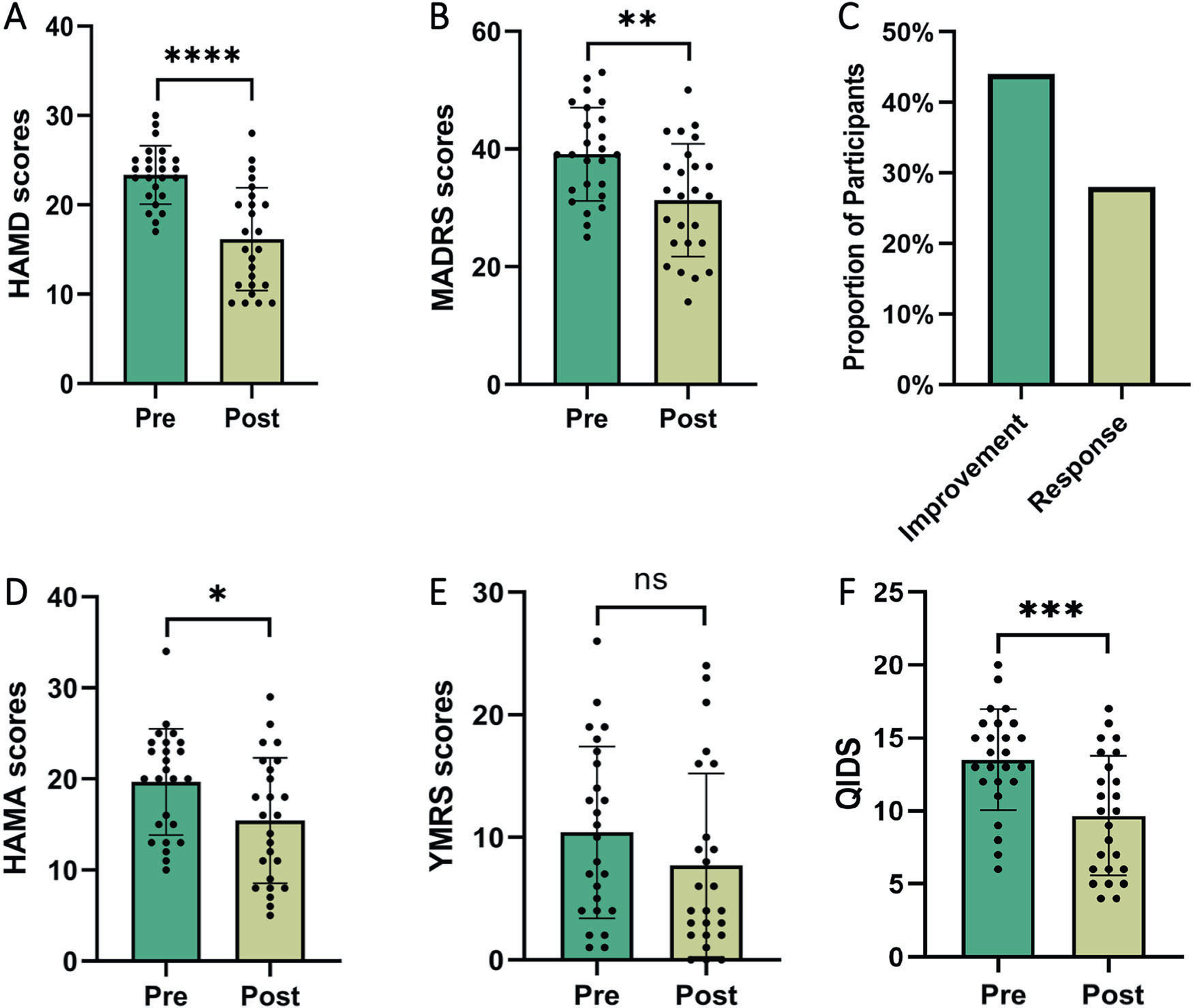
Repetitive Transcranial Magnetic Stimulation (rTMS): Development of personalized rTMS protocols with neuronavigation and functional connectivity targeting, demonstrated to significantly improve bipolar depression in clinical trials.
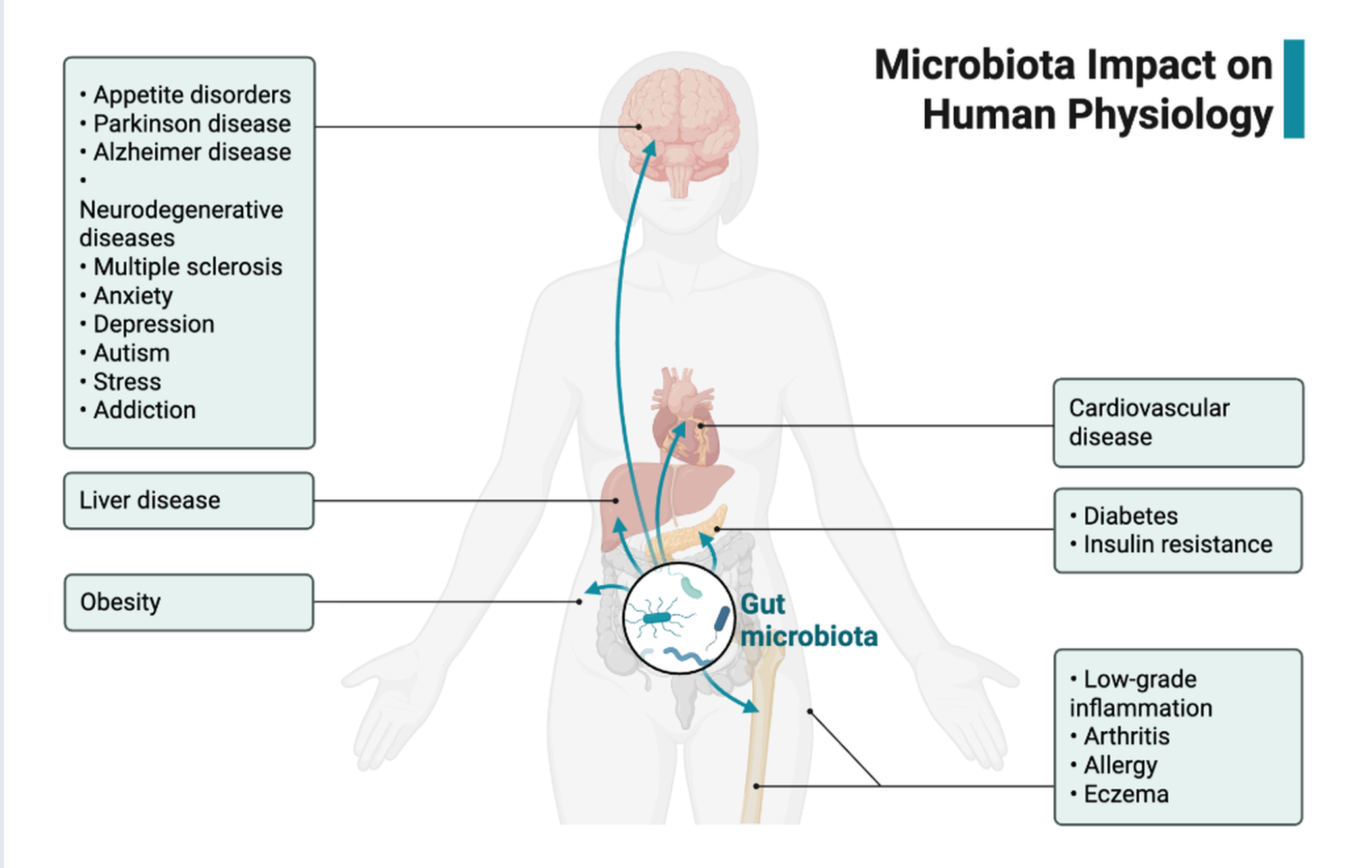
We explore the complex communication between gut microbiota and brain function in psychiatric disorders, with particular focus on bipolar depression and its underlying mechanisms.
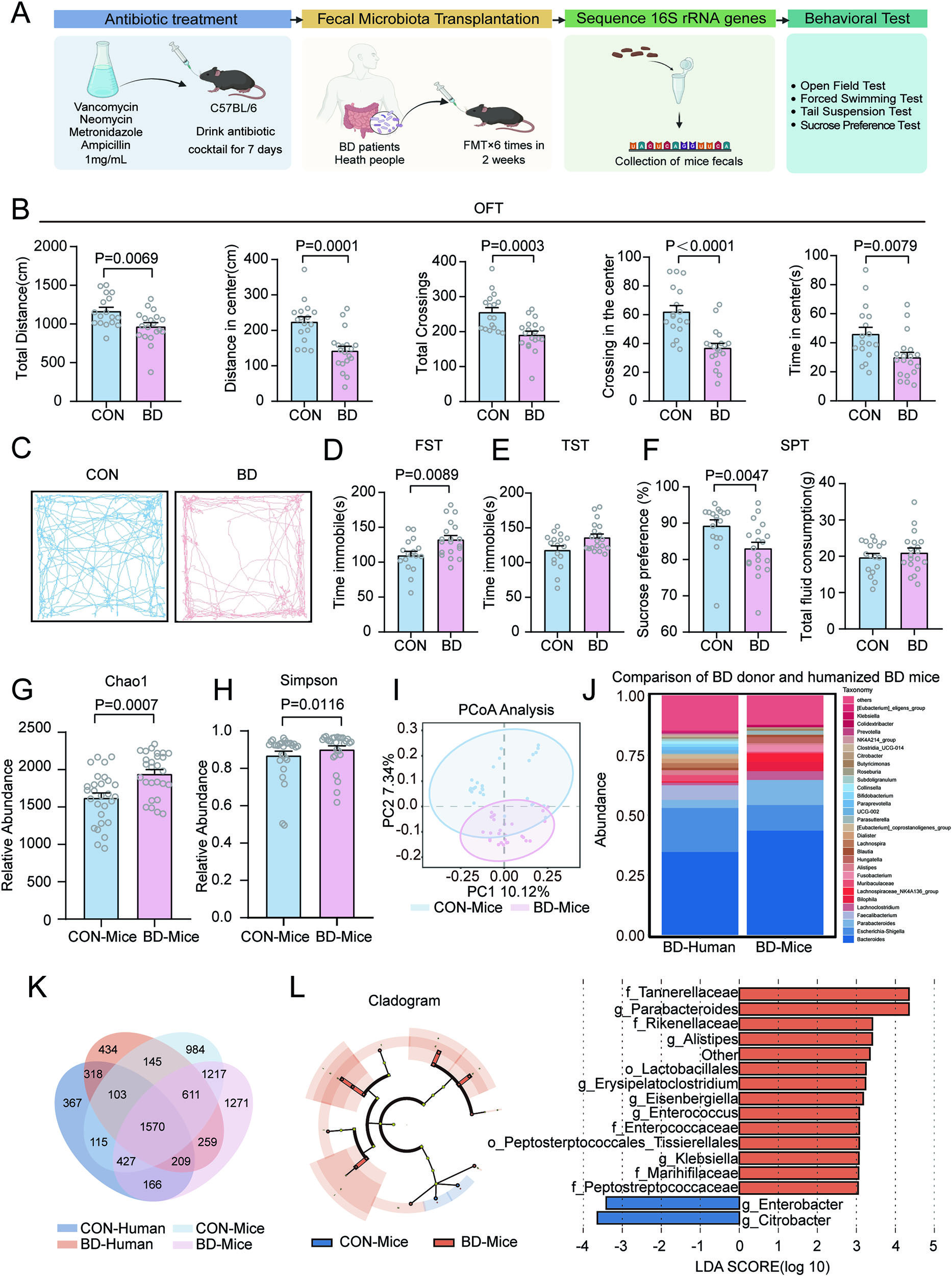
Our research demonstrates that gut microbiota from bipolar depression patients can induce depression-like behaviors through modulation of synaptic connectivity and dopamine transmission in the VTA-mPFC pathway. We employ fecal microbiota transplantation, metagenomics, and metabolomics to uncover the causal role of gut microbes in mental health.
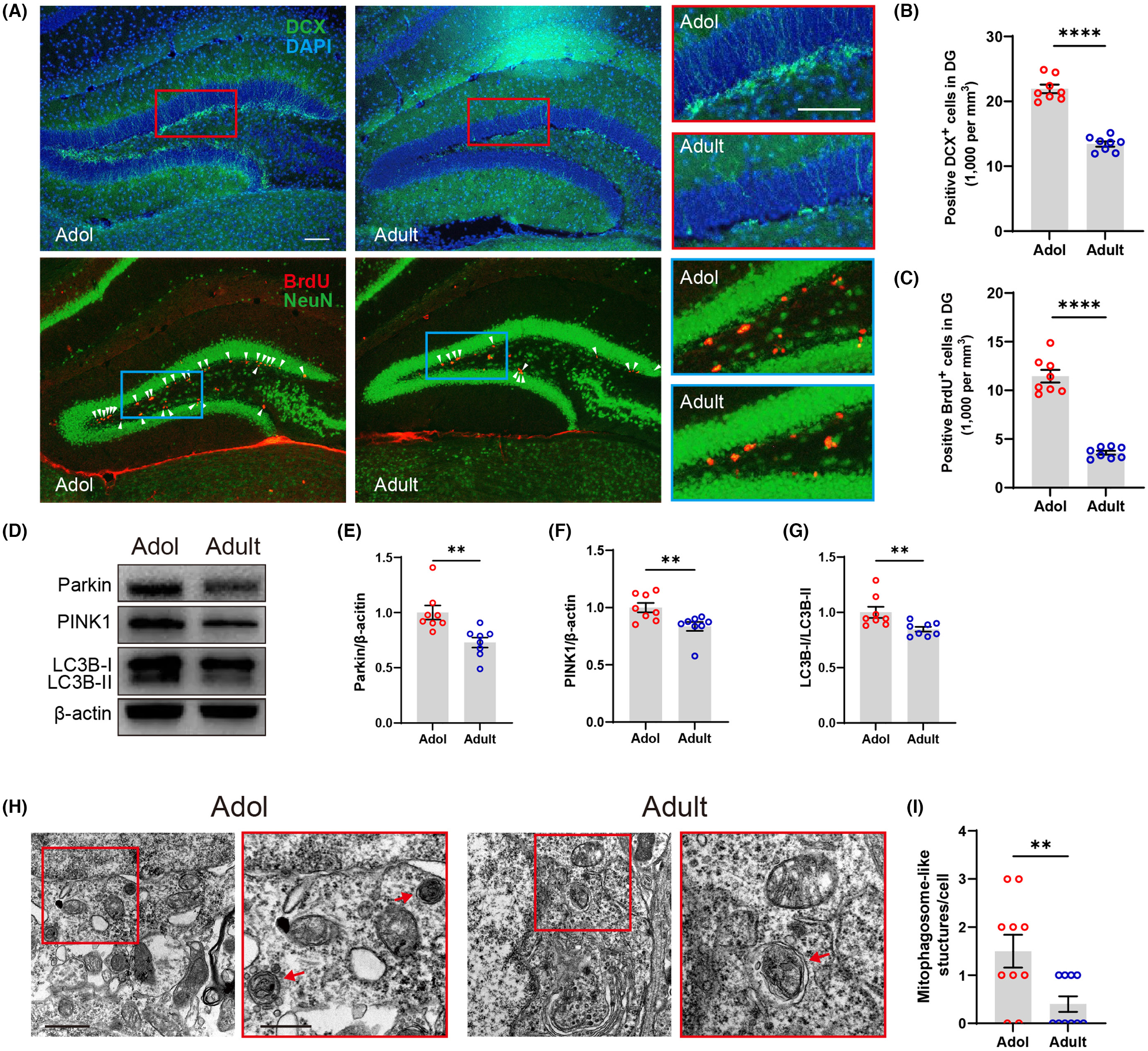
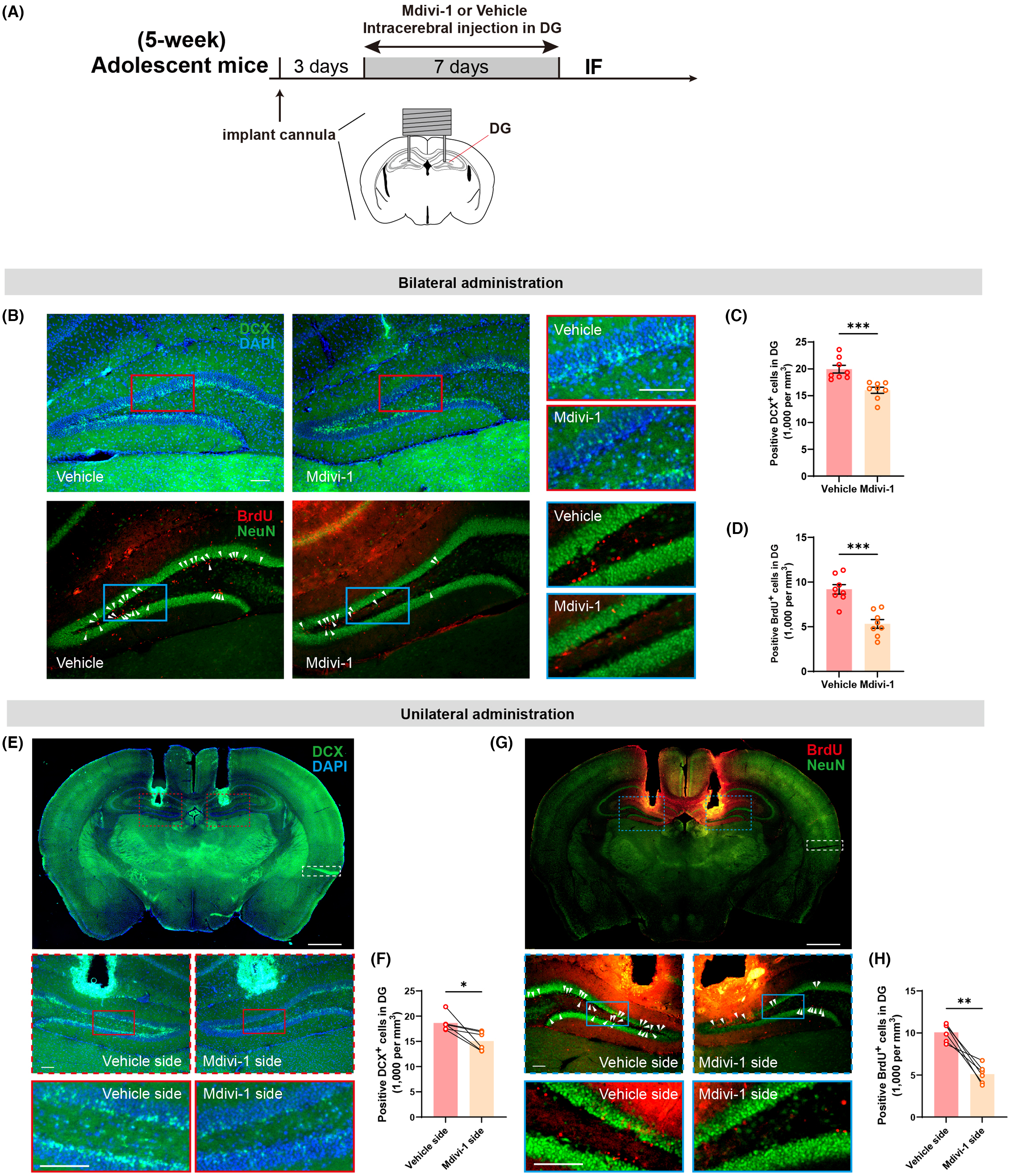
Main Conclusion: The decline in spatial memory in adult mice is associated with decreased mitophagy, which affects neurogenesis in the dentate gyrus. This underscores the therapeutic potential of enhancing mitophagy to counteract age- or disease-related cognitive decline.
This study revealed that diminished neurogenesis accompanied by reduced mitophagy was observed in the hippocampus of adult mice compared to adolescent subjects. Pharmacological induction of mitophagy in adult mice with UMI-77 resulted in enhanced neurogenesis and prolonged spatial memory retention.
CNS Neuroscience & Therapeutics, 2024 | DOI: 10.1111/cns.14800
Main Conclusion: Gut microbiota from bipolar depression patients induces the development of bipolar depression possibly by modulating aberrant synaptic connectivity and dopamine transmission in the VTA-mPFC pathway, shedding light on the microbiota-gut-brain mechanisms underlying BD.
Bipolar depression-like mice presented with a decrease in the density of dendritic spines in medial prefrontal neurons. Analysis revealed less connections between ventral tegmental area and mPFC glutamate neurons and decreased dopamine response in BD mice.
Molecular Psychiatry, 2025 | DOI: 10.1038/s41380-025-03398-y
Main Conclusion: A novel neuronavigated rTMS protocol targeting the primary visual cortex (V1) based on OFC-V1 functional connectivity significantly improves depressive symptoms in adolescents and young adults with bipolar disorder, with excellent safety profile and no mood switching.
This randomized controlled trial (n=52) demonstrated that personalized rTMS targeting significantly reduced HAMD and MADRS scores compared to sham stimulation at week 8. fMRI analysis revealed altered connectivity between anterior cingulate and occipital regions post-intervention.
BMC Medicine, 2026 | IF: 8.3
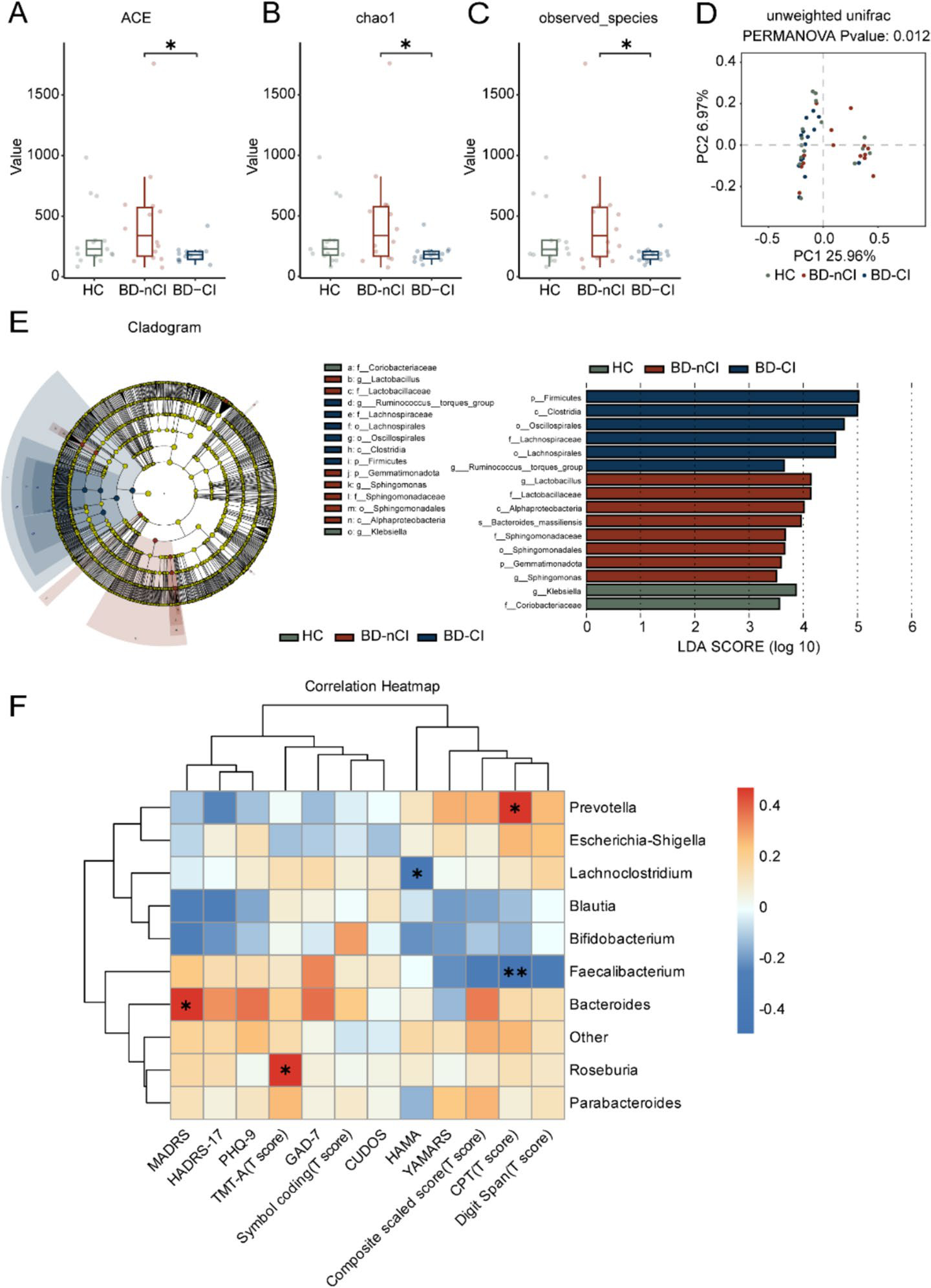
Main Conclusion: Bipolar depression patients exhibit distinct gut microbiome profiles characterized by altered alpha diversity and specific bacterial taxa, with fecal microbiota transplantation inducing depression-like behaviors in recipient mice.
This study identified significant differences in gut microbial composition between bipolar patients with/without clinical improvement. FMT from BD patients induced depression-like phenotypes in mice, including decreased central area exploration and increased immobility time, confirming the causal role of gut microbiota in bipolar depression pathophysiology.
Under Review, 2026
National Key R&D Program
NSFC
Zhejiang Key R&D Program
Zhejiang Ten Thousand Talents